The Impact of the EU’s CBAM on Indian Exports
Understanding CBAM: What You Need to Know
The European Union’s Carbon Border Adjustment Mechanism (CBAM) is a pivotal regulation under the European Green Deal, designed to address carbon leakage and create a level playing field for EU producers. By implementing a carbon pricing system on specific imported goods, CBAM aims to ensure that products entering the EU market are priced according to their carbon footprint. This regulation has significant implications for Indian exporters, particularly those in high-carbon industries.
How CBAM Affects Indian Exporters
India, a major exporter to the EU, is particularly affected by CBAM due to its significant exports of carbon-intensive products such as steel, aluminium, cement, and fertilisers. Here's what Indian exporters can expect:
1. Increased Production Costs
CBAM introduces a carbon tax on imported goods. Indian exporters will need to calculate and report the embedded carbon emissions of their products, which will increase production costs. This adjustment will likely impact profit margins as exporters must purchase CBAM certificates corresponding to their carbon footprint.
2. Reduced Competitiveness
Goods produced in the EU with a lower carbon footprint will become more competitively priced. Indian exporters might face pressure to lower their prices to remain competitive, which can further impact their profitability. This shift could force exporters to adopt more sustainable practices or innovate to reduce their carbon emissions.
3. Shifting Market Dynamics
The introduction of CBAM could drive EU buyers to prefer sourcing products from regions with stricter environmental regulations. Indian exporters may need to enhance their sustainability practices or demonstrate the environmental footprint of their products to maintain their market share in the EU.

Sectors Most Affected by CBAM
CBAM initially targets sectors with high carbon footprints. Here’s a breakdown of how these sectors are impacted:
1. Iron and Steel
The steel industry is a major source of carbon emissions, making it a prime target for CBAM. Indian steel exporters will need to showcase improvements in their production processes to mitigate the impact of CBAM. This includes adopting energy-efficient technologies and optimizing production methods.
2. Aluminium
Aluminium production is highly energy-intensive. Indian aluminium exporters will need to invest in cleaner technologies and source low-carbon raw materials. Innovations in production processes and energy efficiency will be crucial for staying competitive.
3. Cement
The cement industry contributes significantly to greenhouse gas emissions. Indian cement manufacturers will need to explore strategies to reduce their carbon footprint. This could involve adopting new technologies, using alternative fuels, and improving overall production efficiency.
4. Fertilisers
CBAM initially focuses on indirect emissions from fertilisers, with plans to encompass all emissions in the future. Indian fertiliser companies will need to optimize their production processes and explore greener alternatives to meet the evolving requirements.
5. Electricity
Electricity generation is also under CBAM’s scrutiny, focusing on the carbon intensity of electricity. Indian companies exporting electricity to the EU will need to transition towards renewable energy sources, requiring substantial investments in renewable infrastructure and grid modernization.

Navigating the Transitional and Execution Phases
CBAM is being rolled out in two phases:
Transitional Phase (2023-2025)
During this data collection period, exporters must provide detailed information on the embedded carbon emissions of their products. Although there is no immediate financial impact, this phase is critical for gathering data and establishing compliance procedures.
Execution Phase (2026 Onwards)
Starting in 2026, CBAM will implement actual carbon pricing. Exporters will need to purchase CBAM certificates to cover the embedded carbon emissions of their products. The cost of these certificates will be directly linked to the carbon footprint of the goods, affecting overall export costs.
Best Practices for CBAM Compliance
To mitigate the impact of CBAM and ensure compliance, Indian exporters should consider the following best practices:
- Invest in GHG Data Management
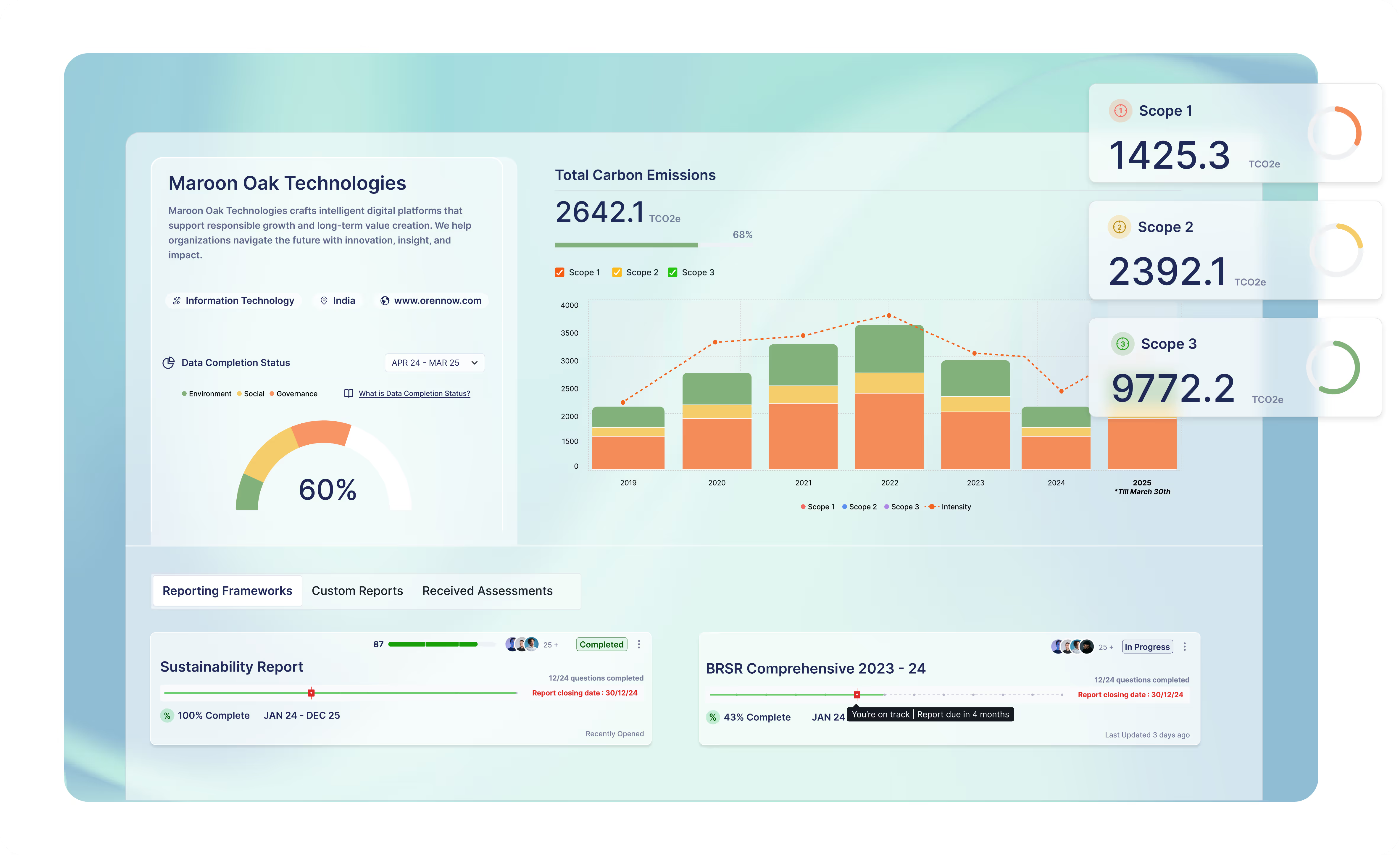
Implementing robust Greenhouse Gas (GHG) data management systems is essential for accurate tracking and reporting of carbon emissions. Tools such as Oren’s Sustainability Hub can provide real-time data across the supply chain, from raw material extraction to product delivery. - Embrace Transparency
Building trust with EU buyers is crucial. Third-party verification of sustainability data can validate the accuracy of carbon footprint calculations and enhance transparency. - Explore Carbon Reduction Strategies
Adopting long-term sustainability strategies is essential. Focus on reducing your carbon footprint through process optimization, investment in renewable energy sources, and sourcing materials from sustainable suppliers.
-p-1080.avif)