What is Supply Chain Sustainability?
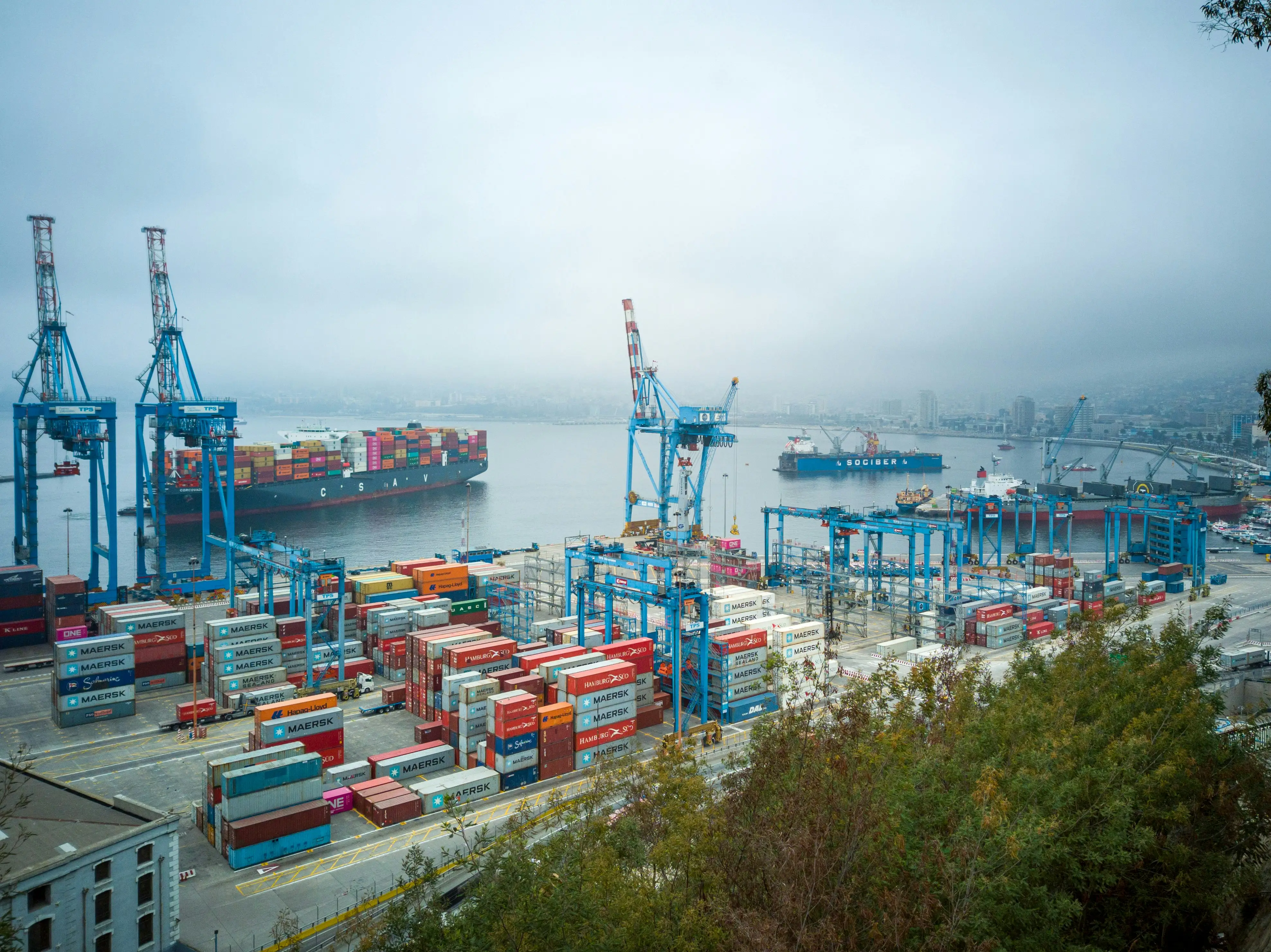
Supply chain sustainability means incorporating ESG principles into every stage of your value chain through responsible sourcing and ethical labour practices. Today, businesses are watched more closely than ever, with conscious consumers and investors demanding supplier accountability. Regulations also require companies to trace environmental impact deep into supplier networks.
A resilient supply chain supports steady growth by:
- Shielding against disruptions as vulnerabilities are spotted early.
- Ensuring compliance with regulations and avoiding financial penalties.
- Building brand trust through ethical operations.
- Opening opportunities with buyers enforcing strict criteria.
- Attracting investment focused on long-term resilience.
Key ESG Risk Areas in Supply Chains
Managing supply chain sustainability requires a clear understanding of potential vulnerabilities across all three ESG pillars.
Environmental Risks
- Decarbonisation and Scope 3 emissions are front and centre.
- Water scarcity and waste management lead to circularity failures.
- The EU Deforestation Regulation demands strict monitoring of land use.
- Climate disasters disrupt logistics.
Social Risks
- Labour rights issues often hide in multi-tier sourcing.
- Safety protocols must be rigorous to avoid legal liability.
- Encouragement for diversity and inclusion extends to suppliers.
- Nearshoring can create risks in regions with weak social protections.
Governance Risks
- Transparency in reporting under CSRD or IFRS remains a challenge.
- Preventing bribery and corruption in third-party networks is essential.
- Supplier conduct is a legal mandate because of the CSDDD which requires a formal code of ethics.
Supply Chain Sustainability Frameworks
Navigating sustainability frameworks across different regions and industries, each with their own regulations and metrics, can be tedious. Here's a quick overview of some common ones.
| Framework Name | Focus Area | Applicability |
|---|
| EcoVadis | ESG performance ratings and scorecarding | Global supply chain assessment for any industry |
| BRSR Core | Key environmental and social metrics | Listed companies in the Indian market |
| GRI | Impact reporting for economic and social factors | Universal corporate transparency and reporting |
| CDP | Disclosure on carbon, water, and forests | Companies tracking environmental footprints |
| CBAM | Carbon emissions of imported goods | Importers bringing specific goods into the EU |
| CSDDD | Human rights and environmental due diligence | Large firms with significant operations in the EU |
| ISO 20400 | Guidance on sustainable procurement processes | Internal purchasing and procurement teams |
Supplier Assessment & Scoring
Evaluating supplier ESG performance is a continuous, data-driven process. We take a comprehensive supplier sustainability assessment process that categorises and benchmarks them to identify risks and drive improvements on the basis of audits and documented evidence.
Bronze Tier
High Risk
Suppliers lagging in essential ESG compliance. These require immediate corrective action plans and close monitoring.
Silver Tier
Medium Risk
Suppliers meeting baseline requirements but showing gaps in specific sustainability practices. These are targeted for capability-building programs.
Gold Tier
Low Risk / Leaders
Suppliers demonstrating mature ESG integration. These serve as benchmarks for industry peers and are prioritised for long-term strategic partnerships.
Oren's Supply Chain Sustainability Approach
Setting up a sustainability program that works across a massive network of suppliers is often a challenge. Oren simplifies the process by looking at the specific issues that actually impact your business, like water usage and labour ethics. We focus on moving beyond basic compliance to achieve real improvements.
01
Deep Assessments
We look at the core environmental and social issues to see where your biggest risks are hidden.
02
Risk Benchmarking
Suppliers are sorted into bronze, silver, and gold tiers. This tells you exactly who needs help and who is already leading.
03
Tailored Programs
Every business is different, so we build a strategy that fits your unique supply chain requirements.
04
Global Readiness
We help prepare partners for standards like BRSR Core, CSDDD and EcoVadis so you stay compliant with international rules.
05
Easy Collaboration
A simple platform is used to collect data which makes it much easier for suppliers to participate.
06
Audit Ready Data
We make sure your reporting is accurate. This builds trust with your investors and auditors.
Build a sustainable and resilient supply chain with our tailored programs.
Learn how we can support your specific goals.
Consequences of Not Addressing Supply Chain Sustainability
Neglecting your suppliers' ESG compliance is a risk that rarely pays off. It leads to financial loss as regulators demand more accountability across supply networks.
1. Strict legal penalties
Mandates like the CSDDD carry heavy fines and non-compliance with CBAM results in heavy carbon taxes and immediate loss of access to the European market.
2. Supply chain failure
Unmonitored labour crises cause immediate halts to production and most companies see significant lost revenue when a supplier fails an ESG audit.
3. Restricted access to capital
Investors and banks now use ESG ratings to determine loan rates and opaque supply networks lead to a higher cost of debt.
4. Market exclusion
Documentation for every step of a product's life is becoming a standard requirement, and goods without clear data are increasingly rejected at customs.
Dealing with new regulations? Trying to improve supplier transparency?
Our team can offer guidance.