How Climate Change Fuels Epidemics and Pandemics: A Deep Dive

Understanding the Interplay Between Climate Change and Infectious Diseases
Climate change has significantly altered the landscape of global health, influencing the spread of various infectious diseases. Rising temperatures and shifting rainfall patterns are contributing to the emergence and expansion of diseases like Lyme disease, Vibrio parahaemolyticus, and mosquito-borne illnesses such as malaria and dengue fever. As climate patterns evolve, the geographic and seasonal spread of these diseases changes, creating new challenges for public health.
Climate Change and Biodiversity Loss: An Inextricable Link
The impact of climate change extends beyond just temperature changes. The ongoing loss of biodiversity, driven by habitat destruction and climate-induced changes, plays a crucial role in the spread of new pathogens. As ecosystems are disrupted, animals carrying diseases are forced into closer contact with humans. This phenomenon is exacerbated by deforestation and the expansion of agricultural activities into previously wild areas. These changes not only increase the risk of disease transmission but also enable the reemergence of long-dormant viruses.
The COVID-19 Pandemic: A Case Study in Climate and Health
The COVID-19 pandemic highlights the complex relationship between climate change and disease spread. While climate change may not have directly caused the outbreak, its effects are evident in how the virus behaves. Cooler temperatures can prolong the virus's viability, but heatwaves drive people indoors, potentially accelerating transmission. This pandemic serves as a stark reminder of how climate and health are intertwined and how future pandemics may be influenced by our changing climate.

Future Risks: Emerging and Reemerging Diseases
Climate change contributes to the rise of new and reemerging diseases in several ways:
- Pathogen Transmission: Warmer temperatures and altered precipitation patterns expand the habitats of disease vectors like mosquitoes and ticks, leading to increased transmission of vector-borne diseases.
- Revival of Ancient Pathogens: Thawing permafrost can release long-dormant viruses, such as the anthrax outbreak in Siberia, posing new risks to human health.
- Wildlife-Human Interactions: As species migrate or adapt to changing climates, increased contact between wildlife and humans can facilitate the spread of zoonotic diseases.
Mitigating Future Outbreaks: A Comprehensive Approach
To prevent future pandemics, a multifaceted approach is essential:
- Strengthening Public Health Infrastructure: Investing in research, early outbreak response, and testing supplies is crucial. Collaborative efforts among federal, state, and local agencies can enhance public health leadership and scientific preparedness.
- Addressing Climate Change: Reducing deforestation, improving land use practices, and combating the illegal wildlife trade are vital steps. Preserving natural habitats and implementing sustainable agricultural practices can help mitigate disease risks.
- Promoting Climate Action: Efforts to reduce greenhouse gas emissions and shift towards low-carbon energy sources, such as wind and solar, can improve air quality and reduce health risks associated with pollution.

The Role of ESG Reporting in Addressing Climate and Health
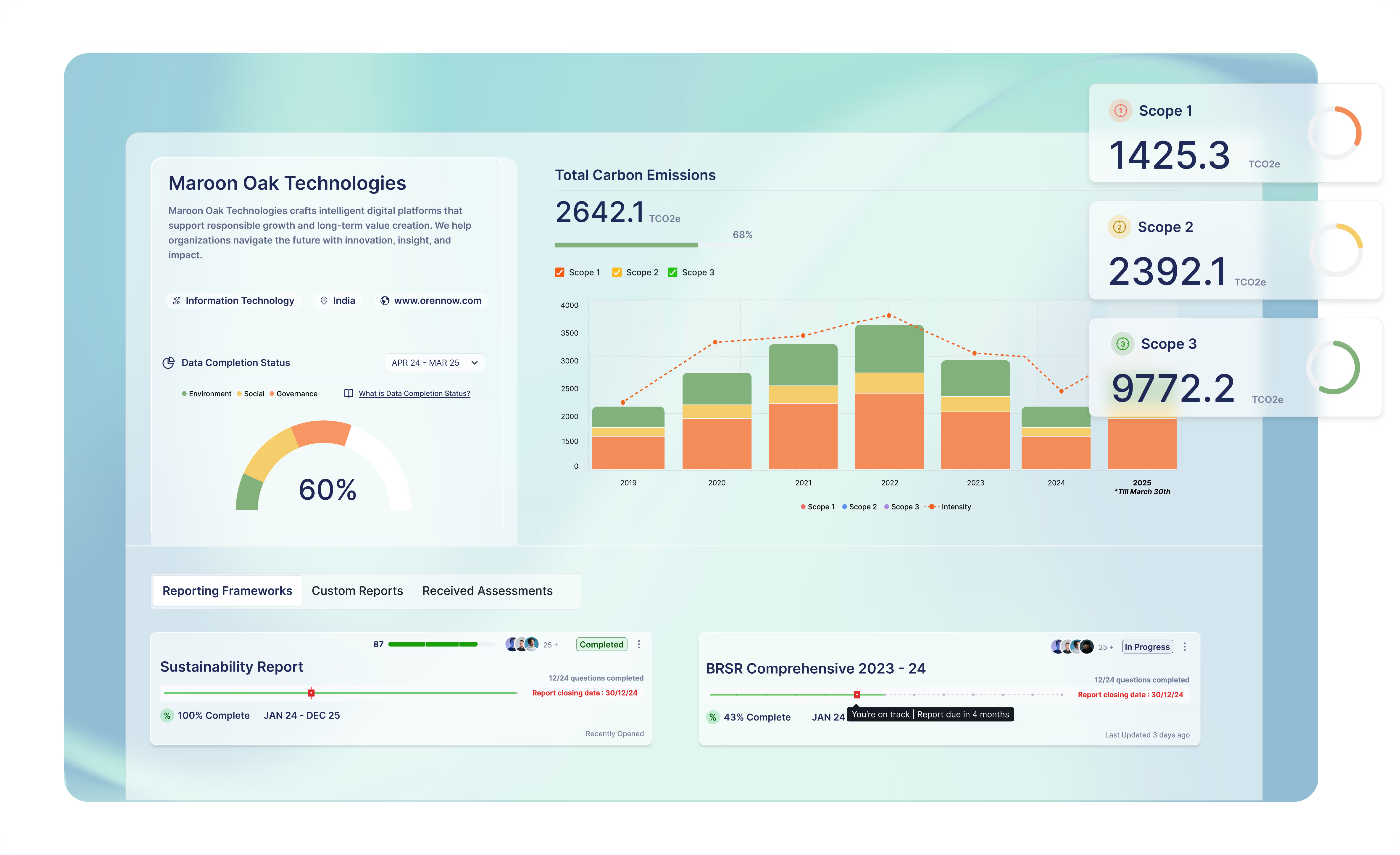
Effective ESG (Environmental, Social, and Governance) reporting plays a crucial role in addressing the intersection of climate change and health. Organizations can leverage frameworks such as GRI (Global Reporting Initiative) and ESG ratings to track and report their sustainability efforts. By focusing on ESG metrics, companies can contribute to broader climate action goals, such as achieving carbon neutrality and supporting biodiversity conservation.
Conclusion: Climate Change and Health – An Urgent Call to Action
Infectious diseases present immediate and personal threats, with significant impacts on our lives and those of our loved ones. While climate change may seem like a distant or abstract threat, its effects are real and pressing. By taking proactive steps to address both climate change and health, we can better prepare for and mitigate the risks of future disease outbreaks.
Taking action now, whether through supporting climate initiatives or adopting sustainable practices, is essential for safeguarding our health and ensuring a resilient future.

About the author
Kushagra
Senior ESG & Sustainability Advisor
Kushagra is a Senior ESG & Sustainability Advisor at Oren with 8+ years across CSR and sustainability consulting, specialising in GHG accounting, ESG strategy, and regulatory reporting across India, the UAE, and the Middle East.