Evaluating ESG in Venture Capital: Strategies and Best Practices

In today’s investment landscape, the significance of Environmental, Social, and Governance (ESG) criteria is becoming increasingly clear. Venture Capital (VC) firms are now faced with the challenge of integrating ESG considerations into their investment evaluations. This article explores effective strategies for VC firms to evaluate ESG factors within their portfolio companies and highlights best practices for incorporating sustainability metrics.
Understanding ESG Evaluation in Venture Capital
1. The Rise of ESG in VC Investing
As VC funds grow, both in terms of returns on investments (ROI) and the scale of ventures they support, there's a noticeable shift towards incorporating ESG criteria into due diligence processes. Traditional due diligence focuses on financial performance and business models. However, overlooking ESG factors can result in missed opportunities and potential risks. ESG investing evaluates environmental impact, social responsibility, and governance practices, offering a comprehensive view of potential risks and opportunities.
2. Challenges in ESG Integration
Integrating ESG practices poses several challenges for VC fund managers:
- Assessment and Monitoring Difficulties: Evaluating ESG returns for early-stage ventures is challenging. Unlike established firms, startups often lack the infrastructure to assess and report on ESG metrics effectively. This gap can lead to inefficiencies in risk management and value creation, which are not present in traditional capital investment practices.
- Incorporating ESG into Incentives and Operations: To promote ESG adoption among portfolio companies, VC funds must embed ESG practices into their operational frameworks and incentives. This approach helps create a culture of sustainability and ensures that ventures align with ESG goals.
- Different Frameworks for Early-Stage Ventures: The tools and processes for evaluating ESG in new startups differ significantly from those used for large, publicly traded companies. Startups often face constraints related to financial resources, human capital, and management capacity, which can complicate ESG benchmarking and reporting.

Measuring ESG: Strategies for VC Funds
1. Developing an ESG Framework
To address these challenges, VC funds need to establish a robust ESG framework. This framework should include general rules and methods for integrating ESG criteria into due diligence and risk management processes. It can also be tailored to the specific needs of different ventures, depending on their industry and stage of development.
2. Utilising Megatrend Analysis
Megatrend analysis is a valuable tool for assessing ESG metrics relevant to a business’s products or services. By identifying broader ESG trends, VC funds can better understand the impact of their investments. For instance, an early-stage electric vehicle (EV) startup must consider the environmental impact of battery production, including carbon emissions from the supply chain and inventory.
3. Data Collection and Reporting
Effective ESG measurement requires accurate data collection and reporting. VC funds can use various frameworks and standards to guide their ESG strategies:
- GRI Standards: The Global Reporting Initiative (GRI) provides comprehensive guidelines for sustainability reporting. GRI standards help businesses disclose their environmental and social impacts.
- TCFD Recommendations: The Task Force on Climate-related Financial Disclosures (TCFD) offers guidance on climate-related financial disclosures, aiding in the assessment of climate risks and opportunities.
- BRSR Reporting: The Business Responsibility and Sustainability Report (BRSR) is a framework for sustainability reporting in India, aligning with global ESG standards.
4. Creating Indicators and Benchmarks
VC funds can establish specific ESG indicators for their portfolio companies to follow. These indicators might focus on environmental goals, such as achieving carbon neutrality or reducing water usage. Social indicators could include diversity targets or community engagement, while governance indicators might involve the appointment of independent directors or setting limits on board composition.

Reporting and Communication
1. Adopting Reporting Standards
To streamline ESG reporting, VC funds should adopt established reporting standards and frameworks. These include:
- GRI Framework: Provides guidelines for sustainability reporting, ensuring transparency and consistency.
- SASB Standards: The Sustainability Accounting Standards Board (SASB) offers industry-specific standards for ESG reporting.
- CDP Reporting: The Carbon Disclosure Project (CDP) focuses on climate-related disclosures, aiding companies in managing their carbon footprints.
2. Utilising ESG Reporting Software
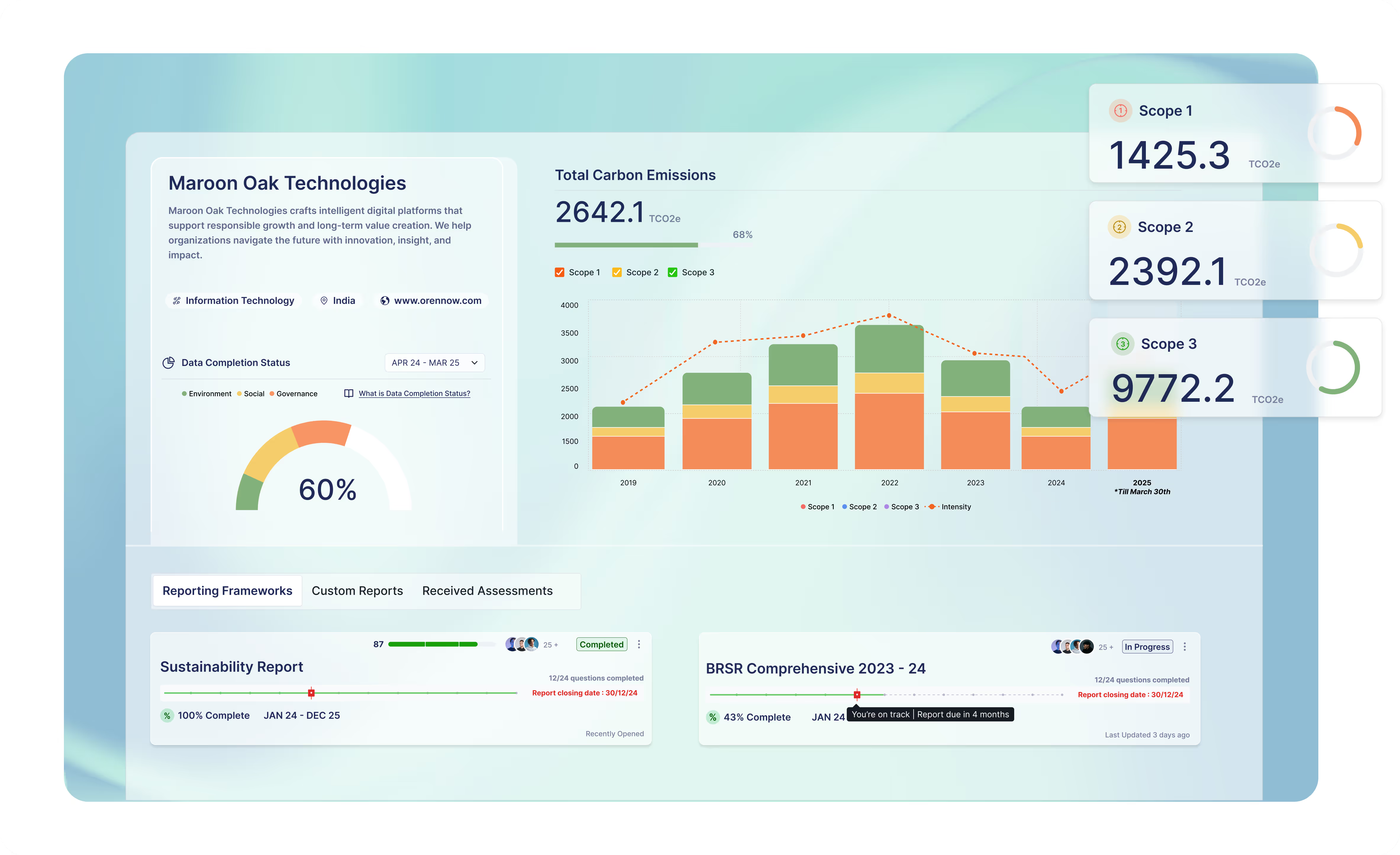
ESG reporting software can facilitate the collection, analysis, and presentation of ESG data. These tools help VC funds and their portfolio companies track progress, ensure compliance with reporting standards, and make informed decisions based on ESG metrics.
3. Ensuring Authenticity and Avoiding Greenwashing
As ESG investing gains traction, it’s crucial to ensure that portfolio companies’ ESG claims are genuine. Greenwashing, or misleading consumers about the environmental benefits of a product or service, can undermine the credibility of ESG initiatives. VC funds should implement rigorous assessment and verification processes to prevent greenwashing and ensure that ESG practices are authentic.
Conclusion
Incorporating ESG factors into VC investment strategies is not just a trend but a necessary evolution in the investment landscape. By developing robust ESG frameworks, utilising effective measurement tools, and adopting comprehensive reporting standards, VC funds can enhance their investment strategies and contribute to sustainable development goals. As the focus on environmental sustainability, social responsibility, and governance continues to grow, VC firms that integrate ESG criteria effectively will be better positioned for long-term success.
This approach not only benefits the environment and society but also enhances the value and resilience of investments, ensuring that VC funds remain at the forefront of responsible and impactful investing.

About the author
Olivia Paul
ESG & Sustainability Advisor
Olivia is an ESG & Sustainability Advisor at Oren, focused on ESG reporting and strategy, materiality assessments, GHG inventory, and net-zero roadmaps across manufacturing, financial services, and infrastructure.