How ESG Data Drives Solutions to the Climate Crisis

Introduction to ESG Data and Climate Action
The relationship between the climate crisis and ESG (Environmental, Social, and Governance) data is crucial. ESG data, which encompasses environmental sustainability, social responsibility, and governance practices, provides a framework for companies to track and improve their impact on the planet. By analysing ESG metrics, organisations can significantly enhance their efforts to combat climate change while meeting regulatory and stakeholder expectations.
The Role of ESG Data in Addressing Climate Change
1. Investor-Driven Impacts
Investors are increasingly aware of the environmental and social risks posed by businesses. They demand transparency regarding a company's climate-related risks and the steps being taken to mitigate them. ESG reporting, including greenhouse gas (GHG) emissions and waste management, enables investors to assess whether a company's practices align with their sustainability goals. Reporting ESG data fosters trust and confidence among investors, which can lead to improved asset allocation and enhanced corporate reputation.
2. ESG Investing: A Key Component of Sustainable Finance
ESG investing involves evaluating non-financial factors when making investment decisions. It focuses on long-term value and assesses future financial risks based on a company's ESG efforts. For example, ESG scores are used to gauge a company's transition to renewable energy and its commitment to net zero emissions. Investing in clean energy not only addresses the climate crisis but also promotes public health and creates job opportunities. ESG investments are becoming increasingly significant as they offer lower risks and better returns, enhancing both community and environmental well-being.
3. The Impact of ESG Commitment on Company Performance
Companies that demonstrate strong ESG commitment often outperform their peers. While adopting sustainable practices may involve higher initial costs, it leads to long-term savings and efficiencies. For instance, transitioning to renewable energy sources can reduce compliance costs and benefit the environment. Companies with robust ESG frameworks, such as those adhering to the Global Reporting Initiative (GRI) guidelines or Sustainability Accounting Standards Board (SASB) standards, are better positioned to succeed and comply with evolving regulations.

Tracking ESG Progress: Strategies for Success
1. Implementing ESG Strategies
To effectively track and improve ESG performance, companies should establish clear ESG strategies aligned with their mission and sustainability goals. This includes setting actionable targets for reducing carbon emissions and implementing innovative practices. Utilising frameworks like Business Responsibility and Sustainability Reporting (BRSR) and Ecovadis assessments can help measure and report ESG performance. Regular monitoring of key performance indicators (KPIs) is essential for assessing progress and maintaining transparency.
2. Reporting and Accountability
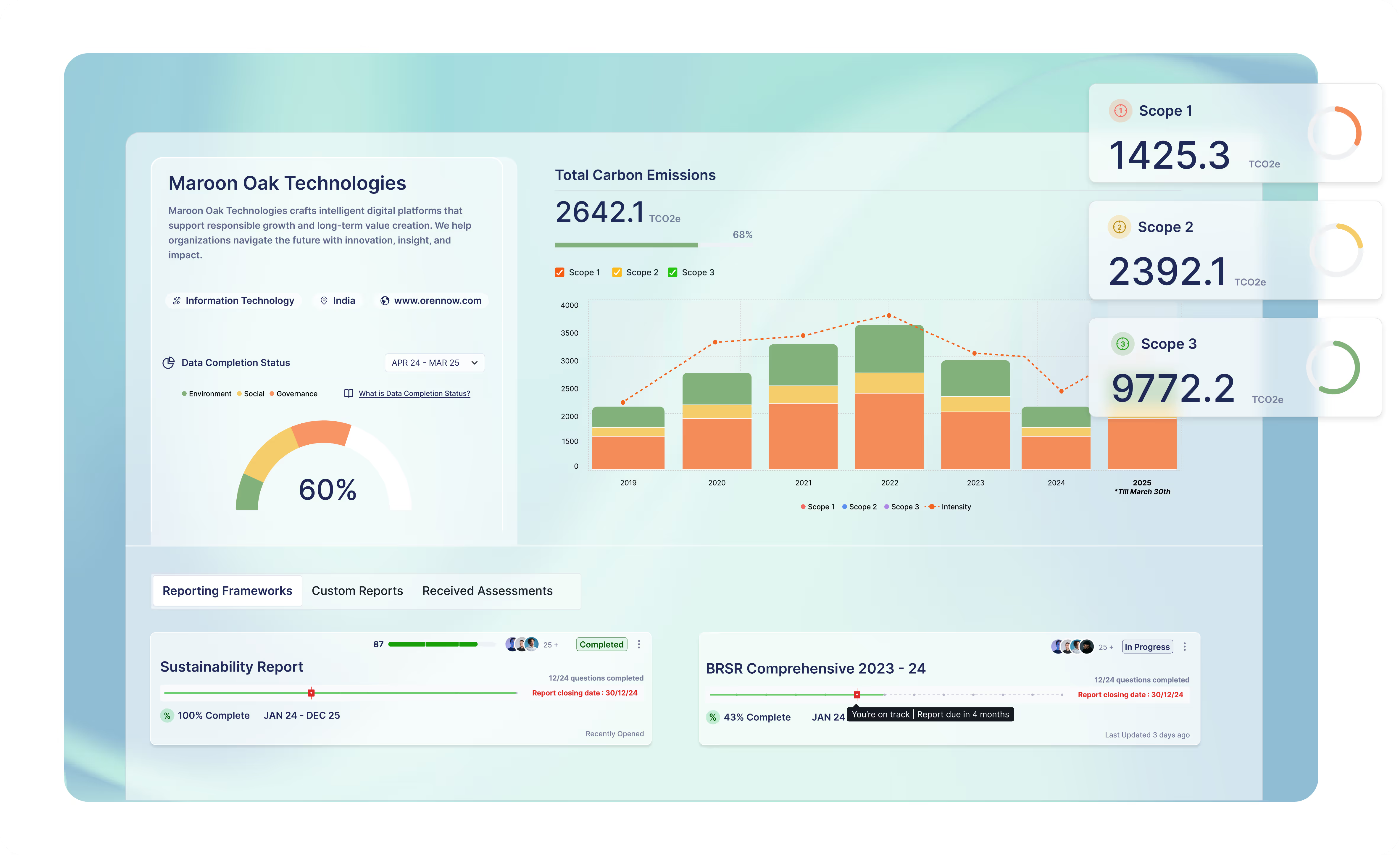
Accurate ESG reporting enhances accountability and fosters trust with stakeholders. Companies should adopt standardised reporting frameworks, such as the GRI standards or the Carbon Disclosure Project (CDP) reporting, to ensure consistency and reliability in their disclosures. ESG data dashboards and reporting software can facilitate the monitoring and communication of sustainability efforts, helping companies meet their commitments and achieve their goals.
3. Leveraging ESG Solutions
At Oren, we provide comprehensive ESG solutions to assist companies in gathering, analysing, and reporting their ESG data. Our services include ESG software and analytics tools that streamline the process of implementing and tracking sustainability initiatives. By leveraging these solutions, businesses can effectively address the climate crisis, enhance their corporate sustainability, and meet their ESG objectives.
Conclusion
ESG data plays a pivotal role in combating the climate crisis by enabling companies to track and improve their environmental and social impact. Through transparent reporting, effective ESG strategies, and leveraging advanced ESG solutions, businesses can align their practices with sustainability goals, gain investor confidence, and drive long-term success. Embracing ESG principles not only contributes to a more sustainable future but also enhances corporate performance and resilience.

About the author
Abhirup Das
Head of ESG & Sustainability Advisory
Abhirup leads Oren’s ESG & Sustainability Advisory practice, blending industrial engineering, digital transformation, and ESG governance to translate compliance into long-term financial and strategic value.