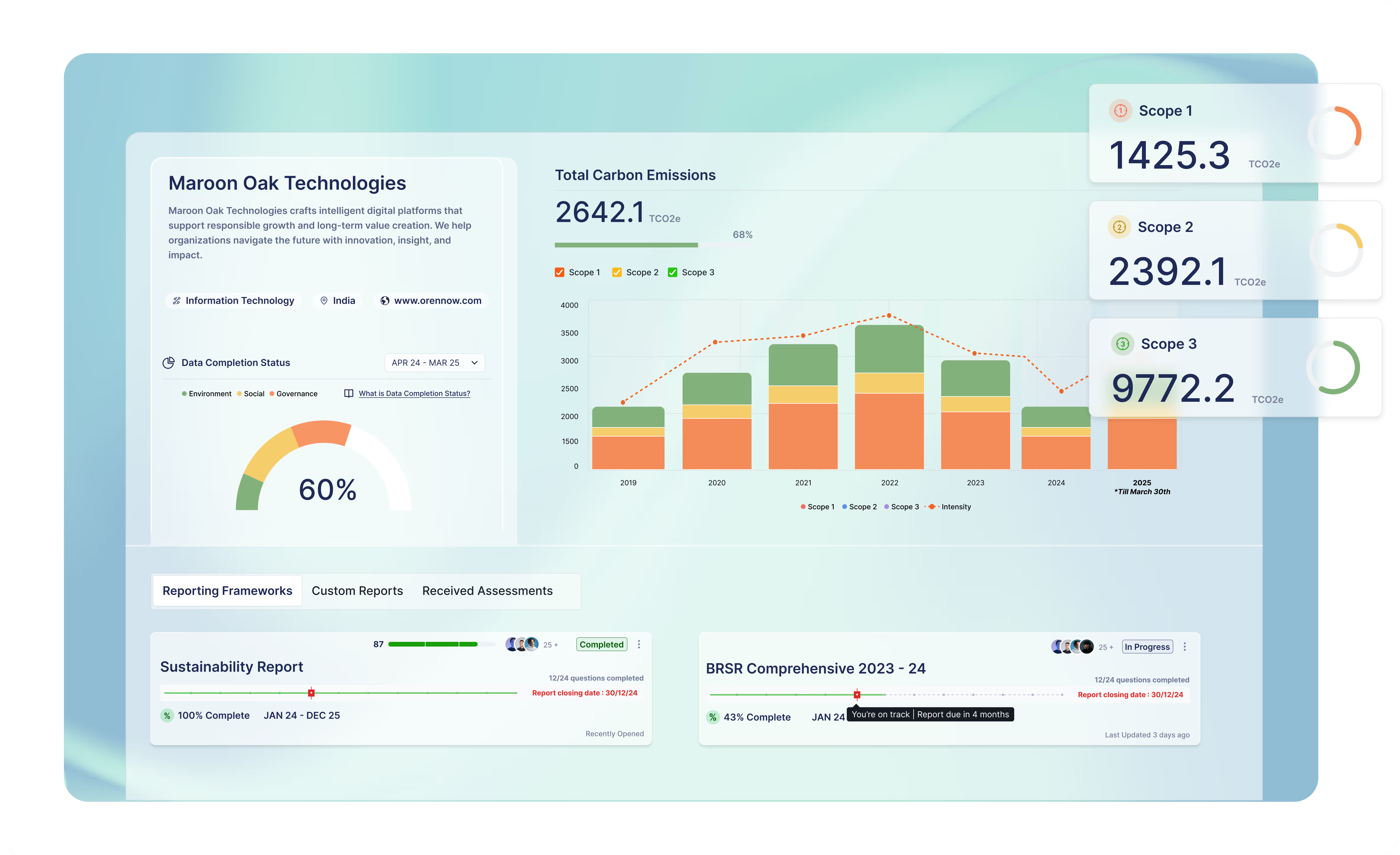
Understanding Carbon Emissions: A Comprehensive Overview of Scope 1, 2, and 3

In recent years, the urgency to address climate change has intensified, pushing companies to scrutinise their carbon emissions more closely. This article delves into the various scopes of carbon emissions—Scope 1, Scope 2, and Scope 3—and their implications for businesses striving for environmental sustainability. By understanding and managing these scopes, companies can enhance their sustainability reporting and secure a competitive edge in an increasingly carbon-constrained world.
The Essential Guide to Carbon Emission Scopes
Carbon emissions are categorised into three distinct scopes under the Greenhouse Gas (GHG) Protocol, a standard that has become crucial for mandatory GHG reporting. These scopes help companies identify, measure, and report their greenhouse gas emissions systematically. Here's a detailed breakdown of each scope:
Scope 1: Direct Greenhouse Gas Emissions

Scope 1 emissions are those directly produced by a company's own operations. This includes emissions from sources that are owned or controlled by the company, such as:
- Stationary Combustion: Emissions from boilers, heaters, furnaces, and other equipment that burn fuels. These sources primarily release carbon dioxide (CO2), methane (CH4), and nitrous oxide (N2O).
- Mobile Combustion: Emissions from company vehicles and machinery.
The majority of GHG emissions from stationary combustion sources are CO2, which accounts for over 99% of total CO2-equivalent GHG emissions in many regions. While biomass fuels, including agricultural and forestry-derived gases, also contribute to CO2 emissions, they must be tracked separately according to the GHG Protocol.
Scope 2: Indirect Emissions from Purchased Energy
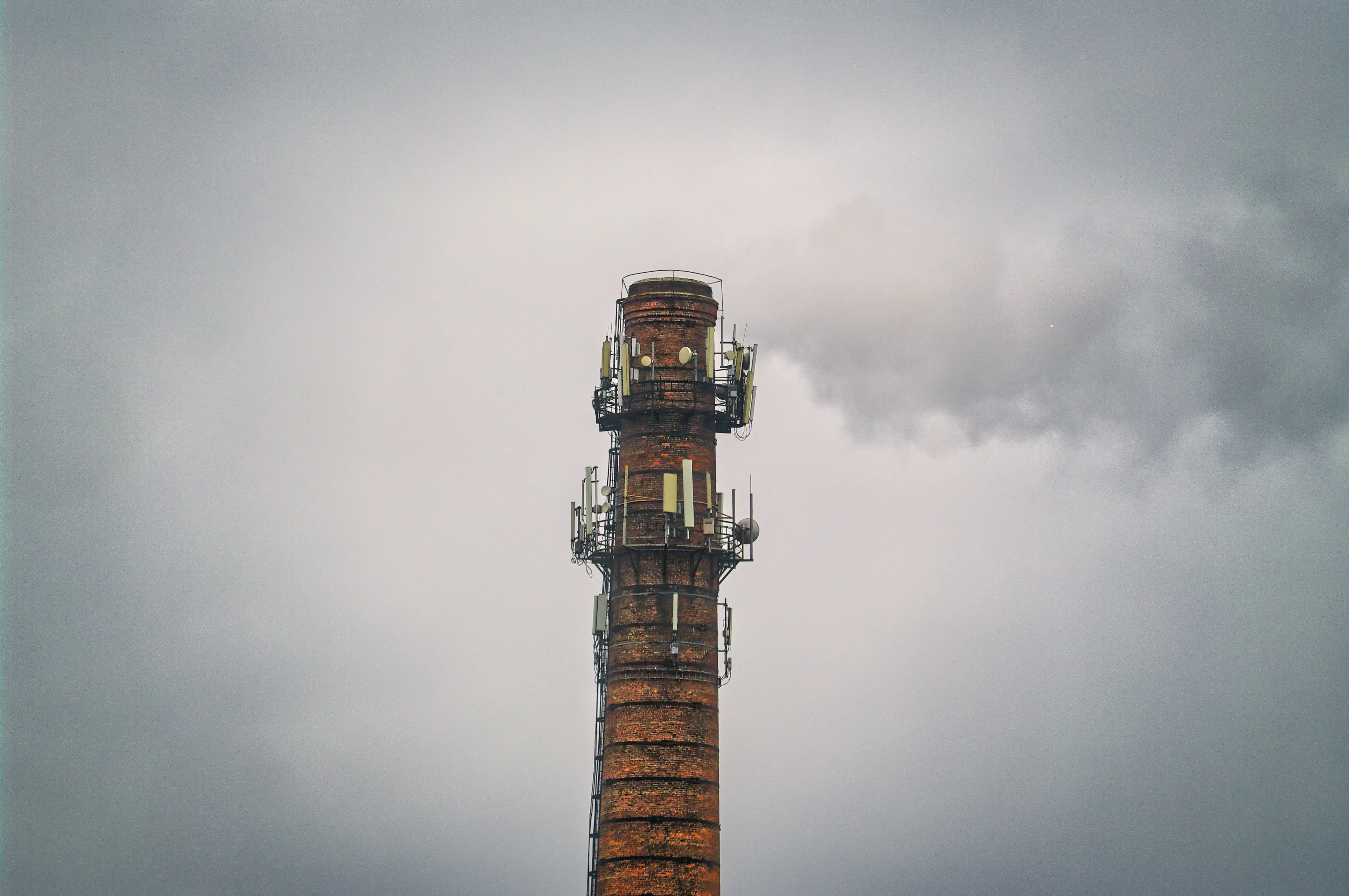
Scope 2 emissions arise from the consumption of purchased electricity, steam, heat, and cooling. This category is crucial for businesses aiming to enhance their sustainability reporting, particularly in terms of:
- Electricity Use: The primary source of Scope 2 emissions for most companies. These emissions stem from the energy consumed by the company and the associated indirect emissions from electricity generation, transmission, and distribution.
The Scope 2 Guidance standardises how these emissions are quantified, fostering transparency and encouraging companies to invest in renewable energy sources and energy efficiency upgrades. With energy generation accounting for over 40% of global GHG emissions, understanding Scope 2 emissions is vital for achieving corporate carbon neutrality.
Scope 3: The Broadest Emission Scope
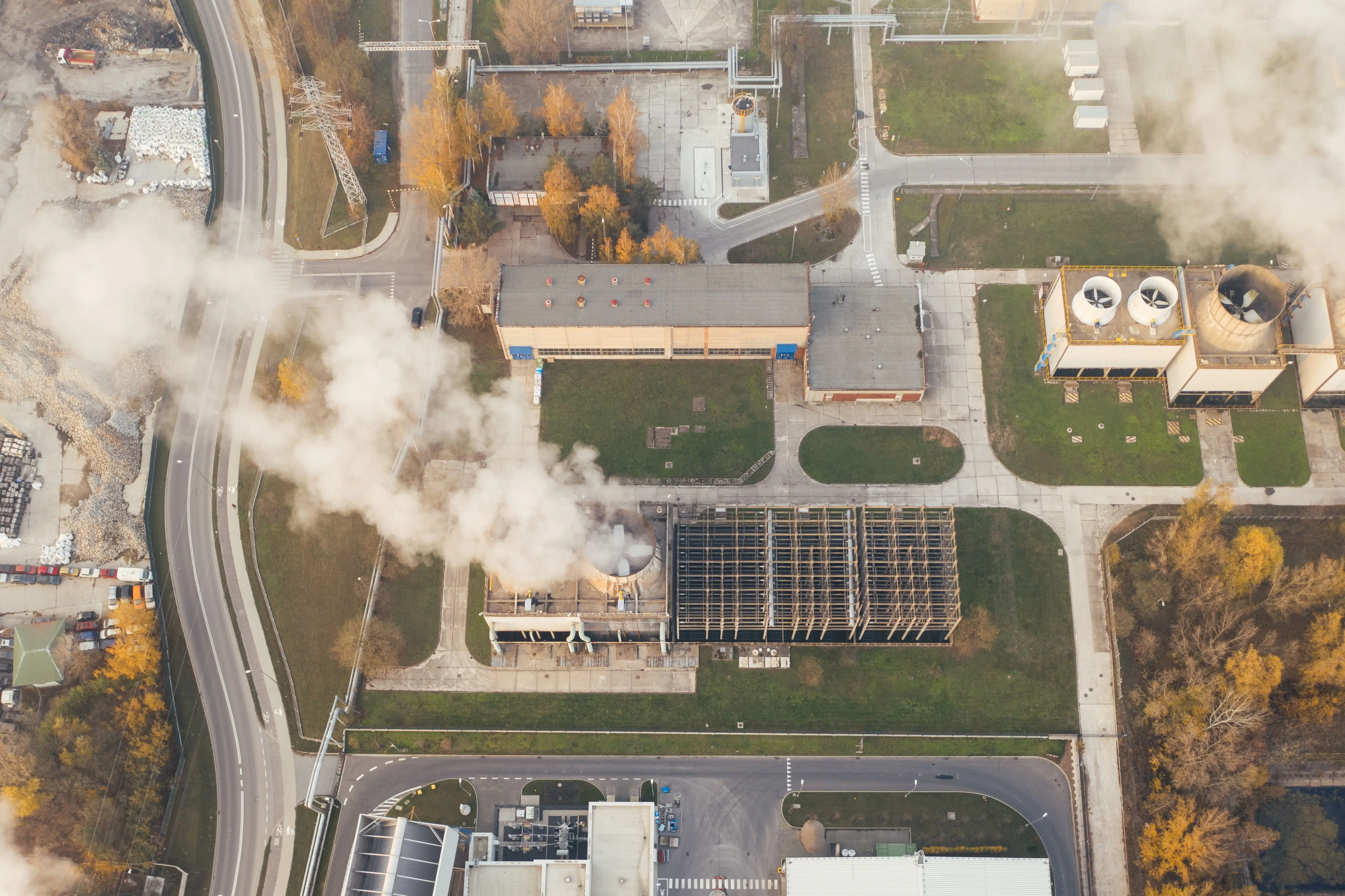
Scope 3 emissions encompass all indirect emissions that occur in a company’s value chain, both upstream and downstream. This category is often the largest contributor to a company's overall GHG footprint and includes:
- Upstream Emissions: These are associated with activities related to the acquisition of goods and services, capital goods, fuel-related activities, and waste generated from operations.
- Downstream Emissions: These occur after the product or service has left the company’s control, including emissions from the processing of sold products, the use of sold products, and the end-of-life treatment of sold products.
Scope 3 emissions are divided into 15 categories, such as business travel, employee commuting, and waste generated from operations. Each category presents unique challenges and opportunities for emissions reduction. For instance, business travel and employee commuting are significant contributors to a company’s carbon footprint but can be mitigated through remote work options and public transportation.
Strategic Implications for Businesses
To address their carbon emissions effectively, companies must adopt comprehensive sustainability strategies. Here are key considerations:
- Sustainability Reporting and Standards: Adhering to frameworks such as the Global Reporting Initiative (GRI) standards and the Carbon Disclosure Project (CDP) helps businesses track and report their emissions accurately. Enhanced reporting practices, including adherence to standards like the GHG Protocol and the GRI framework, are critical for transparency and accountability.
- Carbon Neutrality and Decarbonization: Achieving carbon neutrality involves reducing emissions and offsetting any remaining carbon through carbon credits and other mechanisms. Companies must understand the difference between carbon neutral and net zero targets and develop strategies accordingly.
- ESG Reporting and Ratings: Environmental, Social, and Governance (ESG) reporting is becoming increasingly important. Companies should be aware of ESG rating agencies and frameworks, such as the GRESB and the EU Taxonomy, to ensure they meet investor and stakeholder expectations.
- Life Cycle Assessment and Carbon Footprint: Conducting a lifecycle assessment helps businesses understand the total carbon footprint of their products and services, from production to disposal. This comprehensive approach is essential for effective carbon management and sustainability.
- Greenwashing and Authenticity: Companies must avoid greenwashing—misleading claims about environmental benefits—and focus on genuine sustainability efforts. Transparent and accurate reporting is crucial for building trust and demonstrating real progress in environmental sustainability.
Conclusion
Understanding and managing Scope 1, Scope 2, and Scope 3 emissions is critical for companies striving to enhance their environmental sustainability and achieve their carbon reduction goals. By adopting robust reporting standards, investing in renewable energy, and addressing emissions throughout their value chains, businesses can not only mitigate their environmental impact but also gain a competitive advantage in a rapidly evolving market. As the global focus on climate action intensifies, proactive carbon management will be key to navigating the challenges and opportunities of a carbon-constrained future.
Frequently Asked Questions (FAQs)
Q1. What are Scope 1, 2, and 3 emissions?
Scope 1, 2, and 3 are the three categories of greenhouse gas emissions defined under the GHG Protocol. Scope 1 covers direct emissions from a company's own operations. Scope 2 covers indirect emissions from purchased energy. Scope 3 covers all other indirect emissions across the value chain, both upstream and downstream.
Q2. What are Scope 1 emissions?
Scope 1 emissions are direct greenhouse gas emissions from sources a company owns or controls. The two main categories are stationary combustion (boilers, heaters, furnaces, on-site fuel-burning equipment) and mobile combustion (company vehicles, fleet, and machinery). These emissions are typically the easiest to measure because the company has full visibility and control over the source.
Q3. What are Scope 2 emissions?
Scope 2 emissions are indirect emissions from the energy a company buys, including purchased electricity, steam, heat, and cooling. The company doesn't produce these emissions directly, but they happen because of the company's energy consumption. Electricity use is usually the largest contributor to Scope 2, especially for offices, data centres, and manufacturing operations.
Q4. What are Scope 3 emissions?
Scope 3 emissions are all other indirect emissions that occur across a company's value chain, both upstream and downstream. Upstream Scope 3 covers things like purchased goods, capital goods, business travel, and waste. Downstream Scope 3 covers the use and end-of-life treatment of sold products. Scope 3 is usually the largest portion of a company's total footprint.
Q5. What is the difference between Scope 1, 2, and 3 emissions?
The difference lies in where and how the emissions occur. Scope 1 happens directly at the company's operations. Scope 2 happens at the energy provider but is caused by the company's consumption. Scope 3 happens across the entire value chain, before and after the company's own operations, covering everything from suppliers to customers using the company's products.
Q6. What are the 15 categories of Scope 3 emissions?
The GHG Protocol divides Scope 3 into 15 categories. Upstream categories include purchased goods and services, capital goods, fuel and energy activities, transportation and distribution, waste, business travel, employee commuting, and leased assets. Downstream categories include transportation, processing, use, and end-of-life treatment of sold products, leased assets, franchises, and investments.
Q7. Why are Scope 3 emissions important?
Scope 3 emissions matter because they often represent the largest share of a company's total footprint, sometimes more than 70%. Without measuring and reducing Scope 3, a company cannot make credible climate commitments. Investors, regulators, and frameworks like SBTi and CDP now expect companies to report and act on Scope 3, not just their own direct emissions.
Q8. How do companies measure Scope 1, 2, and 3 emissions?
Companies use the GHG Protocol Corporate Standard to measure all three scopes. Scope 1 is calculated from fuel consumption data. Scope 2 is calculated from electricity and energy bills, using either location-based or market-based methods. Scope 3 is calculated using activity data from suppliers, customers, and third parties, combined with emission factors for each of the 15 categories.
Q9. What is the GHG Protocol?
The Greenhouse Gas (GHG) Protocol is the world's most widely used standard for measuring and managing greenhouse gas emissions. It defines the three scopes (1, 2, and 3) and the rules for calculating emissions across them. Frameworks like SBTi, CDP, CSRD, and BRSR all rely on the GHG Protocol as the underlying measurement standard for corporate emissions reporting.
Q10. How can companies reduce Scope 1, 2, and 3 emissions?
Reducing Scope 1 typically involves switching to cleaner fuels, electrifying vehicles, and improving operational efficiency. Reducing Scope 2 means switching to renewable electricity, improving energy efficiency, and using PPAs or green tariffs. Reducing Scope 3 needs supplier engagement, sustainable procurement, product redesign, and circular economy practices. Most companies focus on Scope 1 and 2 first, then expand into Scope 3.

About the author
Kushagra
Senior ESG & Sustainability Advisor
Kushagra is a Senior ESG & Sustainability Advisor at Oren with 8+ years across CSR and sustainability consulting, specialising in GHG accounting, ESG strategy, and regulatory reporting across India, the UAE, and the Middle East.