SEC Guidelines on Climate Disclosures in the US: A Comprehensive Overview

Introduction to SEC's Climate Disclosure Mandate
The Securities and Exchange Commission (SEC) has embarked on a significant shift towards enhancing climate financial disclosures. This pivotal move aims to ensure that publicly traded companies provide detailed insights into their climate-related impacts and carbon emissions. Announced by SEC Chair Gary Gensler in March 2022, these new rules are designed to offer investors a clearer picture of how climate risks could affect a company's financial health both in the short and long term.
Key Components of the SEC's Climate Disclosure Rules
- Mandatory Climate Risk Reporting: The SEC’s guidelines require companies to disclose how climate-related risks could materially impact their business operations. This includes both the immediate and future effects on financial performance. Companies will need to detail their internal carbon pricing mechanisms and how these costs are calculated, reflecting the asset pricing theory and relevant models.
- Alignment with Existing Standards: The SEC’s climate disclosure requirements are aligned with established frameworks such as the Financial Stability Board’s Task Force on Climate-related Financial Disclosures (TCFD) and the Greenhouse Gas Protocol. This alignment ensures that disclosures are consistent with global standards, enhancing comparability and transparency.
- Disclosure of Financial Impacts: Companies must report the impact of severe weather conditions and transition activities on financial statement line items if these impacts exceed 1% of the related line item. This includes detailing the expenditure associated with mitigating risks from extreme weather events.
- Governance Practices: The new rules mandate the disclosure of governance practices related to climate risk management. This includes how the board of directors and senior management oversee climate-related risks, manage these risks, and respond to them.
Addressing Greenwashing with Enhanced Regulations
Amid concerns about greenwashing—where companies exaggerate their environmental claims—the SEC's rules aim to foster genuine transparency. This is particularly important for investors who rely on accurate information to gauge a company's environmental impact and sustainability performance.
Companies with more than $700 million in public market shares will be required to provide detailed climate data for the fiscal year 2023-24. The SEC’s recent rules, introduced in May 2022, include measures to prevent greenwashing, such as the Names Rule. This rule mandates that companies market their funds according to their actual investment practices, ensuring that at least 80% of their assets align with the fund’s stated investment strategy.
Impact on Institutional Investors and Market Practices
Institutional investors, including private equity and sovereign wealth funds, demand more precise and comprehensive information on companies’ climate impacts. The SEC’s stringent disclosure requirements are set to address this need by moving beyond voluntary carbon reports, which are often insufficient for assessing a company’s true carbon footprint.
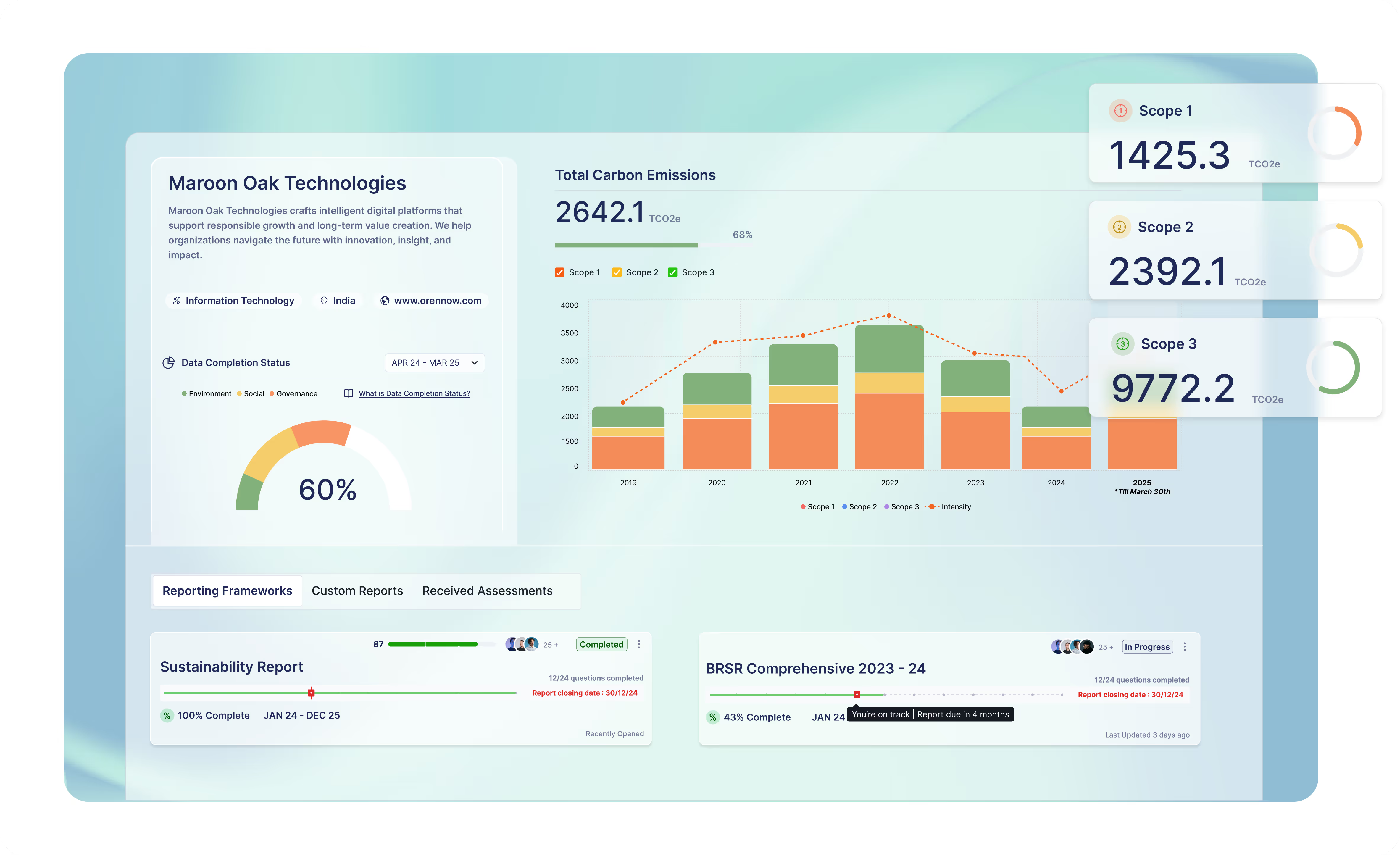
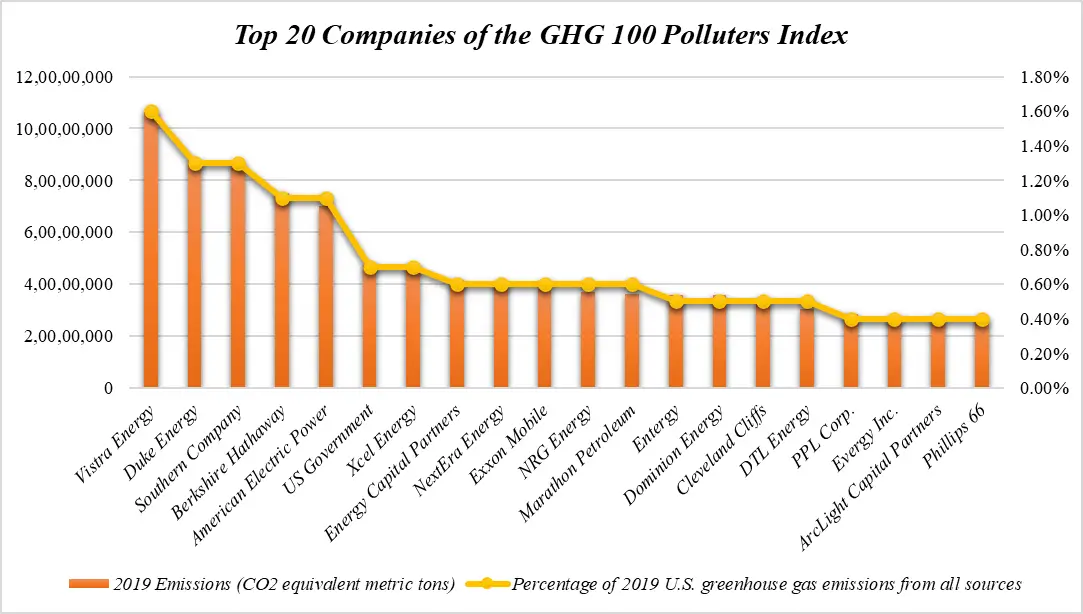
ESG analytics will be crucial in evaluating the negative externalities associated with corporate operations, particularly carbon emissions. According to the FY2019 Fortune 500 emissions report, these companies accounted for 27% of global GHG emissions. The SEC’s new rules will require reporting on Scope 1 (direct emissions from owned or controlled sources) and Scope 2 (indirect emissions from purchased electricity) metrics, excluding Scope 3 (emissions from value chains) initially.
Phased Implementation and Future Outlook
The SEC’s climate disclosure rules will be phased in over time. Large companies must comply with the new reporting requirements starting with the fiscal year 2023, with disclosures due in 2024. Smaller reporting companies will follow a phased implementation, beginning in the fiscal year 2025 and filing in 2026.
These rules are designed to create a legally binding framework for climate financial disclosures, ensuring companies are held accountable for their environmental impact. By mitigating greenwashing and enhancing transparency, the SEC's guidelines will enable institutional investors to make informed decisions based on accurate and comprehensive ESG data.
Conclusion: The Future of Climate Financial Disclosures
The SEC’s new climate disclosure guidelines represent a significant advancement in regulatory oversight of corporate environmental impact. By enforcing stringent reporting requirements and combating greenwashing, these rules will enhance the transparency and credibility of climate-related disclosures. As the regulations move toward implementation, companies and investors will need to adapt to these changes, making the role of ESG analytics and accurate data reporting increasingly critical.

About the author
Olivia Paul
ESG & Sustainability Advisor
Olivia is an ESG & Sustainability Advisor at Oren, focused on ESG reporting and strategy, materiality assessments, GHG inventory, and net-zero roadmaps across manufacturing, financial services, and infrastructure.